ສະຫຼຸບ
ການຂົນສົ່ງ ແມ່ນກ່ຽວກັບການເຄື່ອນຍ້າຍ ຄົນ ຫຼືສິ່ງຂອງ ຈາກບ່ອນໜຶ່ງ ໄປອີກບ່ອນໜຶ່ງ ໃຫ້ຄິດເຖິງມັນ ວ່າເປັນວິທີທີ່ເຮົາເດີນທາງໄປມາ ຫຼືສົ່ງຂອງ ການຂົນສົ່ງມີສາມສ່ວນຫຼັກ: ໂຄງລ່າງພື້ນຖານ ຫຼື infrastructure (ເສັ້ນທາງທີ່ເຮົາໃຊ້), ຍານພາຫະນະ ຫຼື vehicles (ສິ່ງທີ່ເຮົາໃຊ້ເດີນທາງ) ແລະ ການດຳເນີນງານ ຫຼື operations (ວິທີການຄຸ້ມຄອງທຸກຢ່າງ). ໂຄງລ່າງພື້ນຖານ ໝາຍເຖິງເສັ້ນທາງ ແລະ ສະຖານທີ່ທັງໝົດ ທີ່ຍານພາຫະນະໃຊ້ ເຊິ່ງລວມມີ ຖະໜົນ (roads), ທາງ ລົດໄຟ (railway), ສະໜາມບິນ (airports), ຄອງ (canals) ແລະ ທໍ່ສົ່ງ (pipelines) ມັນຄືກັນກັບ ເຄືອຂ່າຍ…
ການຂົນສົ່ງ ແມ່ນກ່ຽວກັບການເຄື່ອນຍ້າຍ ຄົນ ຫຼືສິ່ງຂອງ ຈາກບ່ອນໜຶ່ງ ໄປອີກບ່ອນໜຶ່ງ ໃຫ້ຄິດເຖິງມັນ ວ່າເປັນວິທີທີ່ເຮົາເດີນທາງໄປມາ ຫຼືສົ່ງຂອງ ການຂົນສົ່ງມີສາມສ່ວນຫຼັກ: ໂຄງລ່າງພື້ນຖານ ຫຼື infrastructure (ເສັ້ນທາງທີ່ເຮົາໃຊ້), ຍານພາຫະນະ ຫຼື vehicles (ສິ່ງທີ່ເຮົາໃຊ້ເດີນທາງ) ແລະ ການດຳເນີນງານ ຫຼື operations (ວິທີການຄຸ້ມຄອງທຸກຢ່າງ).
ໂຄງລ່າງພື້ນຖານ ໝາຍເຖິງເສັ້ນທາງ ແລະ ສະຖານທີ່ທັງໝົດ ທີ່ຍານພາຫະນະໃຊ້ ເຊິ່ງລວມມີ ຖະໜົນ (roads), ທາງ ລົດໄຟ (railway), ສະໜາມບິນ (airports), ຄອງ (canals) ແລະ ທໍ່ສົ່ງ (pipelines) ມັນຄືກັນກັບ ເຄືອຂ່າຍ (network) ໃຫຍ່ ທີ່ຊ່ວຍໃຫ້ສິ່ງຕ່າງໆ ເຄື່ອນທີ່ໄດ້ ໂຄງລ່າງພື້ນຖານ ຍັງລວມເຖິງສະຖານທີ່ ທີ່ການເດີນທາງເລີ່ມຕົ້ນ ຫຼືສິ້ນສຸດ ເຊັ່ນ ສະໜາມບິນ (airports), ສະຖານີລົດໄຟ (train stations), ສະຖານີລົດເມ (bus stations) ແລະ ທ່າເຮືອ ຫຼື seaports (ທ່າເຮືອຂົນສົ່ງ).
ໂຄງລ່າງພື້ນຖານສ່ວນໃຫຍ່ ຖືກສ້າງໂດຍ ລັດຖະບານ (governments) ໂດຍປົກກະຕິ ພວກເຂົາຈ່າຍຄ່າສ້າງ ດ້ວຍ ພາສີ (taxes) ທີ່ເກັບຈາກປະຊາຊົນ ຜູ້ຊ່ຽວຊານ ເຊັ່ນ ວິສະວະກອນໂຍທາ (civil engineers) ແລະ ນັກວາງຜັງເມືອງ (urban planners) ອອກແບບຖະໜົນ ແລະ ທາງລົດໄຟ.
ຍານພາຫະນະ ແມ່ນເຄື່ອງຈັກ ທີ່ເດີນທາງໄປເທິງໂຄງລ່າງພື້ນຖານ ເຊິ່ງລວມມີ ລົດ (cars), ລົດບັນທຸກ (trucks), ລົດໄຟ (trains) ແລະ ເຮືອບິນ (airplanes) ວິສະວະກອນທີ່ຊ່ຽວຊານ ດ້ານເຄື່ອງຈັກ ເອີ້ນວ່າ ວິສະວະກອນກົນຈັກ (mechanical engineers) ໂດຍປົກກະຕິ ເປັນຜູ້ອອກແບບຍານພາຫະນະເຫຼົ່ານີ້ ສຳລັບການຂົນສົ່ງທາງນ້ຳ ເຮົາໃຊ້ເຮືອ ເຊັ່ນ ເຮືອ (boats), ເຮືອຂ້າມຟາກ (boats) ແລະ ເຮືອບັນທຸກ (barges) ເຫຼົ່ານີ້ເດີນທາງຢູ່ໃນຄອງ ແລະ ໃຊ້ທ່າເຮືອ ຫຼືທ່າເຮືອຂົນສົ່ງ ຄືກັນກັບທີ່ລົດໄຟໃຊ້ສະຖານີລົດໄຟ ເຮືອບິນ (airplanes) ກໍ່ໃຊ້ສະໜາມບິນ ແລະ ຄືກັນກັບທີ່ລົດໄຟແລ່ນຕາມເສັ້ນທາງລົດໄຟ ເຮືອບິນກໍ່ບິນຕາມເສັ້ນທາງການບິນພິເສດ ໃນທ້ອງຟ້າ.
ການດຳເນີນງານ ແມ່ນກົດລະບຽບ ແລະ ລະບົບ ທີ່ຄວບຄຸມວິທີການເຮັດວຽກຂອງການຂົນສົ່ງ ເຊິ່ງລວມມີສິ່ງຕ່າງໆ ເຊັ່ນ ສັນຍານໄຟຈະລາຈອນ (traffic signals), ສັນຍານລົດໄຟ (railway signals) ແລະ ການຄວບຄຸມການຈະລາຈອນທາງອາກາດ (air traffic control) ການດຳເນີນງານ ຍັງກ່ຽວຂ້ອງກັບ ນະໂຍບາຍ ຂອງ ລັດຖະບານ ຫຼື government policies (ແຜນການ ສຳລັບການນຳພາການຕັດສິນໃຈ) ແລະ ລະບຽບການ ຫຼື regulations (ກົດລະບຽບ ຫຼືກົດໝາຍ) ສິ່ງເຫຼົ່ານີ້ ຊ່ວຍຈັດການລະບົບ ຕົວຢ່າງ ເຊັ່ນ ຄ່າທາງດ່ວນ ຫຼື tolls (ຄ່າທຳນຽມ ໃນການໃຊ້ຖະໜົນບາງສາຍ), ພາສີນ້ຳມັນເຊື້ອໄຟ ແລະ ກົດຈະລາຈອນ.
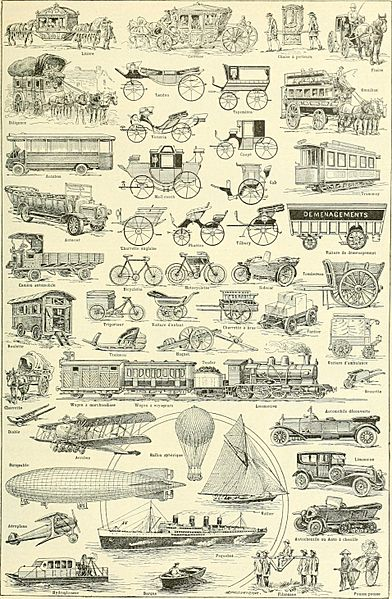
ຍານພາຫະນະຫຼາຍຊະນິດ ລວມທັງລົດມ້າ, ລົດລາງ, ລົດໄຟ, ລົດ, ລົດຖີບ, ບານລູນ, ເຮືອບິນ, ເຮືອ, ເຮືອບິນບານລູນ ແລະ ເຮືອຢອດ (Larousse, Pierre, 1817-1875).
ການຂົນສົ່ງ ເຊື່ອມຕໍ່ກັບການສື່ສານແນວໃດ (How Transport Connects with Communication)
ການຂົນສົ່ງ ແລະ ການສື່ສານ (communication) ມີຄວາມກ່ຽວຂ້ອງກັນຢ່າງໃກ້ຊິດ ບາງຄັ້ງ ທ່ານສາມາດເລືອກຢ່າງໃດຢ່າງໜຶ່ງ ແທນອີກຢ່າງໜຶ່ງ ຕົວຢ່າງເຊັ່ນ ທ່ານອາດ ໂທລະສັບ (telephone) ຫາໝູ່ ແທນທີ່ຈະໄປຢ້ຽມລາວດ້ວຍຕົນເອງ ແຕ່ການຂົນສົ່ງ ກໍ່ຕ້ອງການການສື່ສານທີ່ດີ ເພື່ອໃຫ້ເຮັດວຽກໄດ້ດີເຊັ່ນກັນ ຕົວຢ່າງເຊັ່ນ ການຄວບຄຸມການຈະລາຈອນທາງອາກາດ (air traffic control) ໃຊ້ການສື່ສານ ເພື່ອຊ່ວຍໃຫ້ເຮືອບິນຈຳນວນຫຼາຍ ບິນໄດ້ຢ່າງປອດໄພ ດັ່ງນັ້ນ ເມື່ອການຂົນສົ່ງເພີ່ມຂຶ້ນ ການສື່ສານກໍ່ມັກຈະເພີ່ມຂຶ້ນຄືກັນ ແລະ ກົງກັນຂ້າມ
ການຂົນສົ່ງ, ພະລັງງານ ແລະ ສິ່ງແວດລ້ອມ (Transport, Energy, and the Environment)
ການຂົນສົ່ງ ໃຊ້ ພະລັງງານ (energy) ຫຼາຍ ຍານພາຫະນະສ່ວນໃຫຍ່ ແລ່ນດ້ວຍ ໄຮໂດຣຄາບອນ (hydrocarbons) ເຊັ່ນ: ນ້ຳມັນ (oil) ແລະ ແກັສ (gas) ການເຜົາໄໝ້ເຊື້ອໄຟເຫຼົ່ານີ້ ສາມາດສ້າງ ມົນລະພິດ (pollution) ເຊິ່ງບໍ່ດີຕໍ່ສິ່ງແວດລ້ອມ ເພື່ອຊ່ວຍຫຼຸດຜ່ອນມົນລະພິດ ມີ ກົດລະບຽບດ້ານສິ່ງແວດລ້ອມ ຫຼື environmental regulations (ກົດໝາຍ) ແລະ ເຊື້ອໄຟທີ່ມີມົນລະພິດຕ່ຳ ຕົວຢ່າງເຊັ່ນ ແກັສທຳມະຊາດເຫຼວ ສ້າງມົນລະພິດໜ້ອຍກວ່າ
ເຖິງແມ່ນຈະໃຊ້ເຊື້ອໄຟທີ່ສະອາດກວ່າ ແຕ່ເມື່ອມີການໃຊ້ຍານພາຫະນະຫຼາຍຂຶ້ນ ມົນລະພິດໂດຍລວມກໍ່ຖືກສ້າງຂຶ້ນຫຼາຍຂຶ້ນ ເຊື້ອໄຟ ເຊັ່ນ ເອທານອນ ແລະ ໄບໂອດີເຊວ ກໍ່ເປັນທາງເລືອກ ທີ່ສ້າງມົນລະພິດໜ້ອຍກວ່ານ້ຳມັນປິໂຕຣລຽມທຳມະດາ
ວິທີເດີນທາງທີ່ແຕກຕ່າງກັນ (Different Ways to Travel)
ການຂົນສົ່ງ ສາມາດເກີດຂຶ້ນໄດ້ ສາມວິທີຫຼັກ: ທາງບົກ, ທາງນ້ຳ ຫຼືທາງອາກາດ
ການຂົນສົ່ງທາງບົກ (Land Transport)
ການຂົນສົ່ງທາງບົກ ລວມມີການຍ່າງ, ການໃຊ້ ຖະໜົນ (roads) ແລະ ການເດີນທາງເທິງທາງ ລົດໄຟ (railway) ຄົນໃຊ້ລົດຖີບ, ລົດ, ລົດເມ ແລະ ຍານພາຫະນະ (vehicles) ເຊັ່ນ: ລົດໄຟ ເພື່ອເດີນທາງຂ້າມພື້ນດິນ.
ການຂົນສົ່ງທາງນ້ຳ (Water Transport)
ການຂົນສົ່ງທາງນ້ຳ ໃຊ້ ເຮືອ (ships) ແລະ ເຮືອບັນທຸກ (barges) ເຮືອເຫຼົ່ານີ້ ເດີນທາງໃນ ຄອງ (canals) ແມ່ນ້ຳ (rivers) ແລະ ຂ້າມ ທະເລ (seas).
ການຂົນສົ່ງທາງອາກາດ (Air Transport)
ການຂົນສົ່ງທາງອາກາດ ກ່ຽວຂ້ອງກັບການໃຊ້ເຮືອບິນ ແລະ ເຮລິຄອບເຕີ ຍານພາຫະນະເຫຼົ່ານີ້ ບິນຢູ່ໃນທ້ອງຟ້າ ແລະ ໃຊ້ສະໜາມບິນ ສຳລັບການຂຶ້ນ ແລະ ລົງ.
ຮູບພາບທົ່ວໄປ
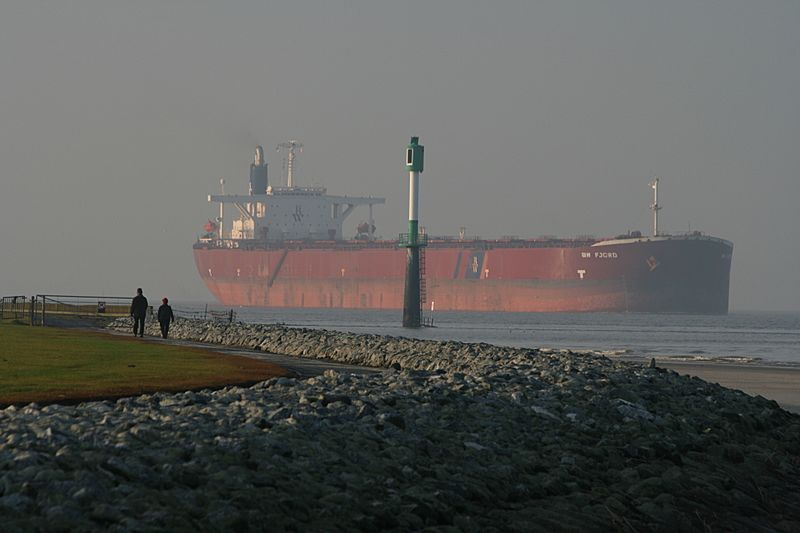
ເຮືອບັນທຸກສິນຄ້າຫຼາຍ BW Fjord (BW Fjord an Glameyer Stack 2007-12-15 IMO 8314471 MMSI 371391000 Callsign 3ECK9 Width:57m Length:332m).
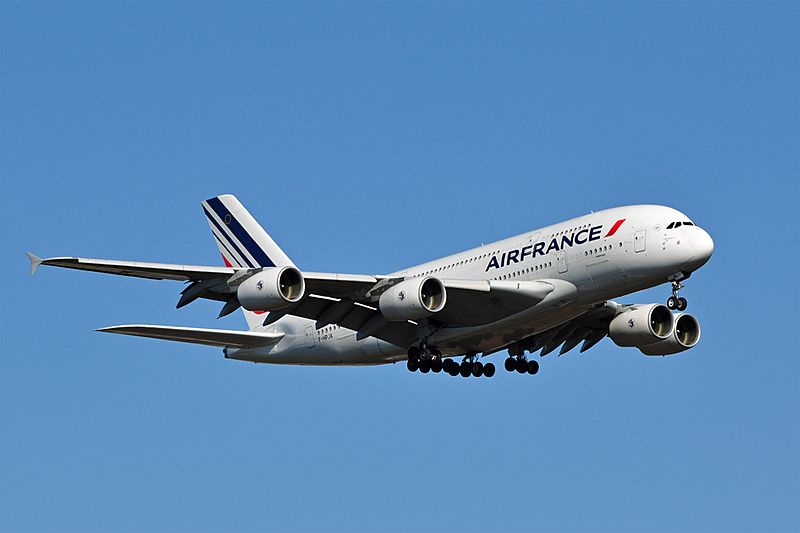
ເຮືອບິນ ແອຣ໌ ຟຣັງ A380 (Air France A380) ກຳລັງລົງຈອດ ທີ່ ສະໜາມບິນນານາຊາດ ວໍຊິງຕັນ ດັນລັສ ຫຼື Washington Dulles International Airport (English: Air France flight AF 028 landing at Washington Dulles International Airport in Virginia, USA).
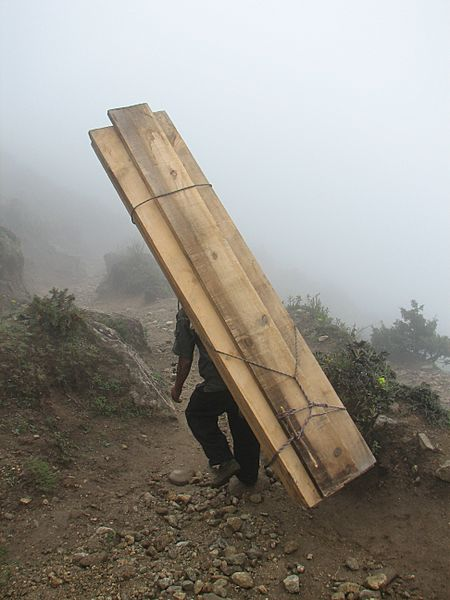
ການຂົນສົ່ງດ້ວຍແຮງຄົນ ຍັງພົບເຫັນທົ່ວໄປ ໃນປະເທດກຳລັງພັດທະນາ (I took this picture on my way to Mount Everest base camp in May, 2006. Ilan Adler).
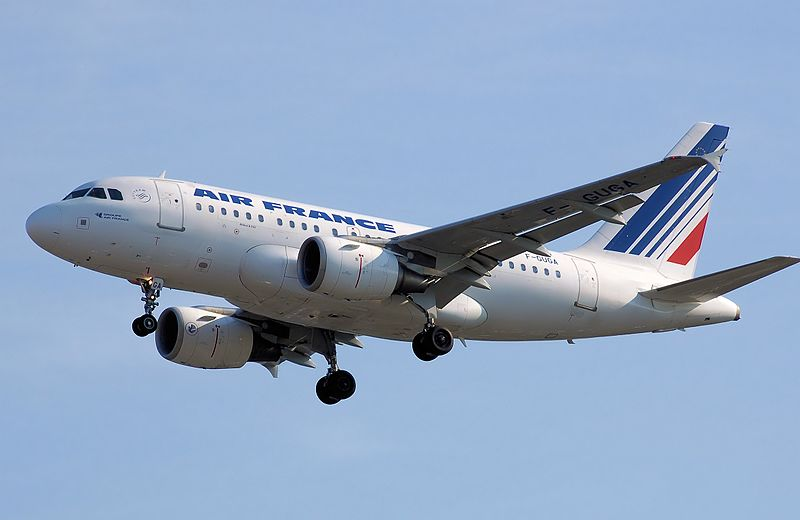
ເຮືອບິນ ແອຣ໌ ຟຣັງ ແອີບັສ A318 ຫຼື Air France Airbus A318 ລົງຈອດ ທີ່ ສະໜາມບິນລອນດອນ ຮີດໂຣ ຫຼື London Heathrow Airport (Air France Airbus A318-100 (F-GUGA) landing at London Heathrow Airport).
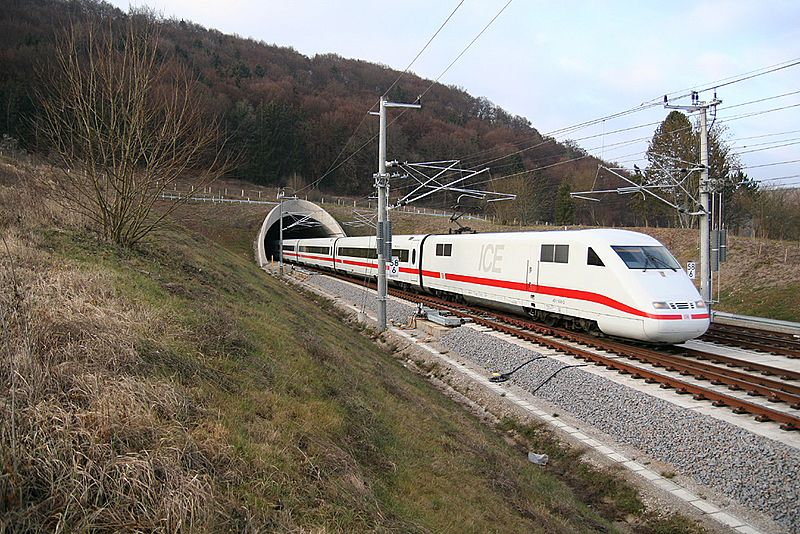
ອິນເຕີຊິຕີ ເອັກສະເປຣສ໌ ຫຼື Intercity Express ລົດໄຟໂດຍສານ ຄວາມໄວສູງ ຫຼື high-speed ຂອງເຢຍລະມັນ (A ICE 1 high-speed trains leaves the Schellenberg-tunnel at the Nuremberg-Munich high-speed track in order to pass through the station of Kinding at full speed).
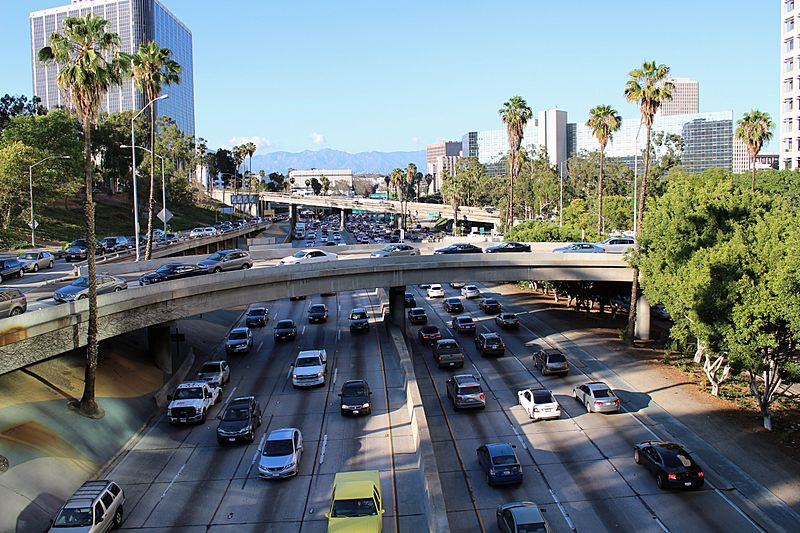
ທາງດ່ວນຮາເບີ ຫຼື Harbor Freeway ມັກຈະລົດຕິດຫຼາຍ ໃນຊ່ວງເວລາເລັ່ງດ່ວນ ໃນ ຢູ່ໃຈກາງເມືອງ ລອສແອງເຈລີສ ຫຼື Downtown Los Angeles (Harborfreeway)
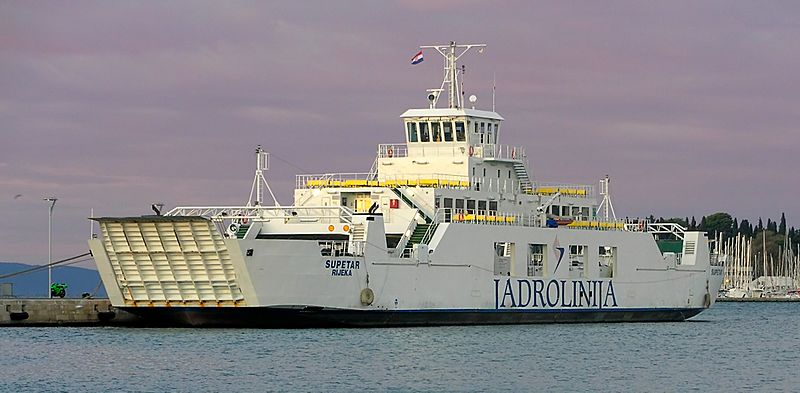
ເຮືອຂ້າມຟາກ ສຳລັບລົດ ໃນ ໂຄຣເອເຊຍ ຫຼື Croatia (“Supetar” ferry of Jadrolinija in Split, Croatia Information about Supetar may be found at IMO 9328182. A ship can change name and flag state through time, but the IMO number remains the same through the hull’s entire lifetime. As a result, it can be useful to identify a ship by using the IMO number).
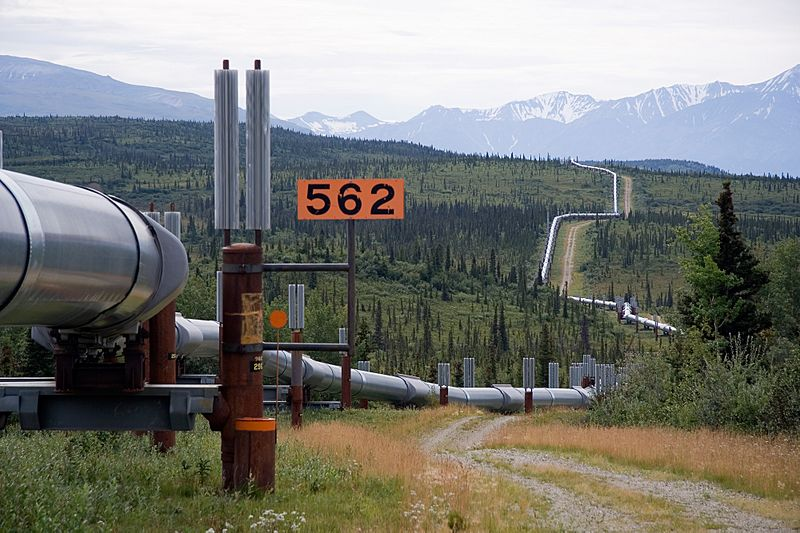
ທໍ່ສົ່ງນ້ຳມັນ ທຣານສ໌-ອາລາສກາ ຫຼື Trans-Alaska Pipeline ສຳລັບ ນ້ຳມັນດິບ ຫຼື crude oil (Trans-Alaska Pipeline System. It runs from the Arctic Ocean to the Gulf of Alaska at Valdez 800 miles (1,300 km)).
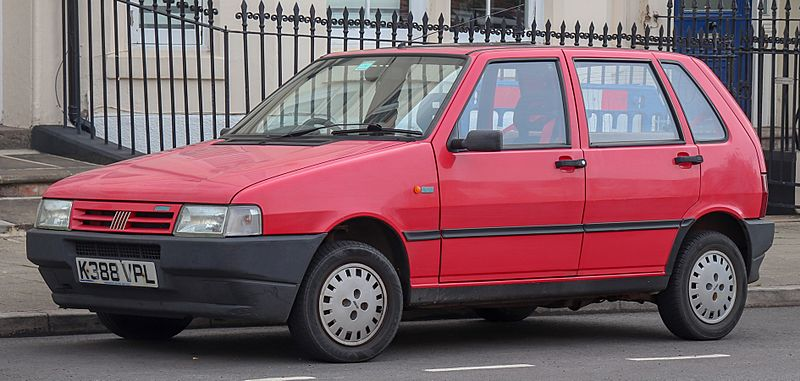
ລົດ ຟຽດ ອູໂນ ຫຼື Fiat Uno ໃນປີ 2018 (1992 Fiat Uno IE 1.0 Front Taken in Leamington Spa).
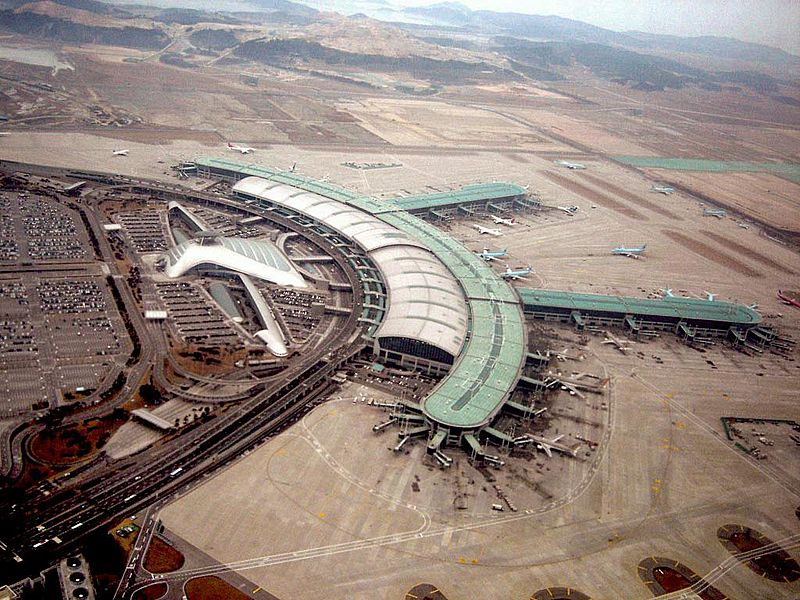
ສະໜາມບິນນານາຊາດ ອິນຊອນ ຫຼື Incheon International Airport, ເກົາຫຼີໃຕ້ (Aerial view of Incheon International Airport in Jung-gu, Incheon, South Korea).
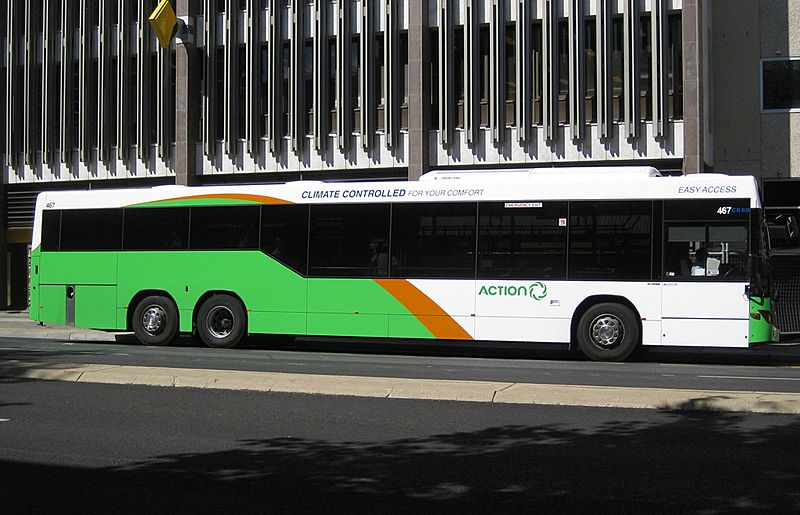
ລົດເມສາທາລະນະໃນທ້ອງຖິ່ນ ທີ່ດຳເນີນງານໂດຍ ACTION ໃນ ແຄນເບີຣາ ຫຼື Canberra, ອົດສະຕຣາລີ ຫຼື Australia (ACTION Bus-467, Steer Tag 14.5m Scania K320UB, Canberra Australia).
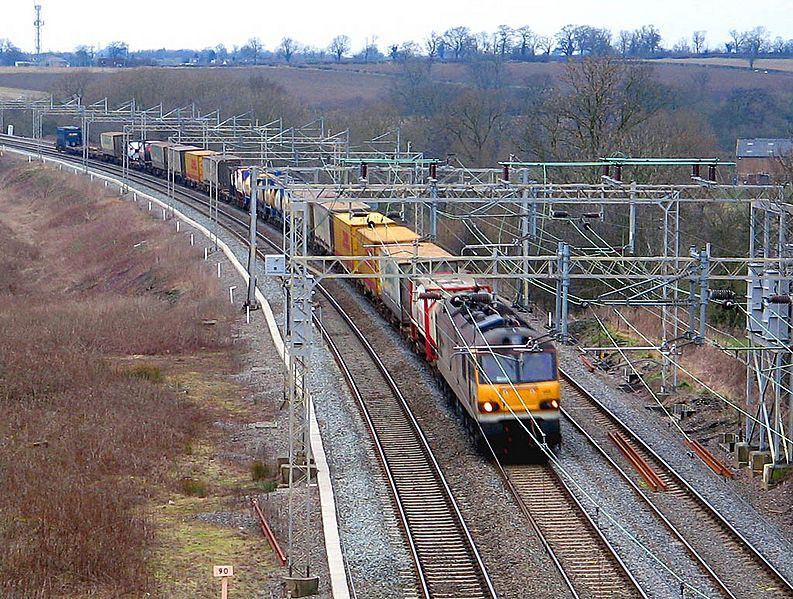
ລົດໄຟຂົນສົ່ງສິນຄ້າ (Freight train) ພ້ອມຕູ້ຄອນເທນເນີ ໃນ ສະຫະລາຊະອານາຈັກ (United Kingdom) (WCML freight train).
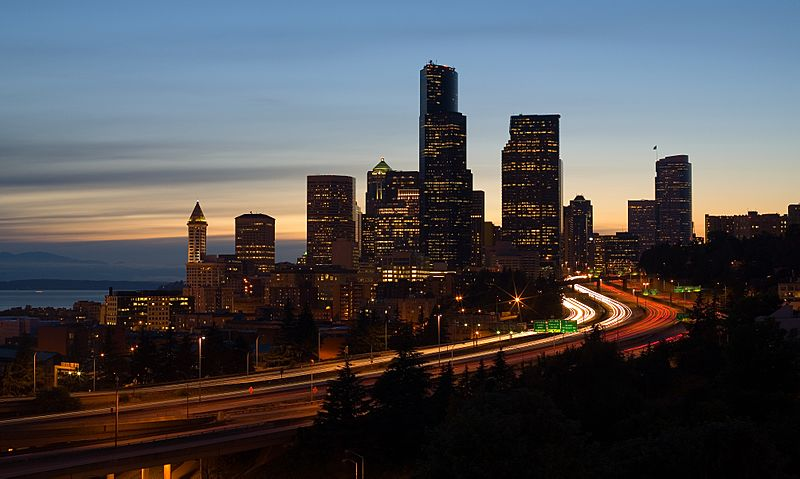
ການຂົນສົ່ງ ເປັນອົງປະກອບສຳຄັນ ຂອງການເຕີບໂຕ ແລະ ໂລກາພິວັດ ຄືກັນກັບ ໃນ ຊີແອດເທິລ (Seattle), ວໍຊິງຕັນ (Washington), ສະຫະລັດອາເມຣິກາ (The skyline of Seattle, Washington at dusk. Interstate 5 is the freeway that cuts through downtown and Puget Sound is visible to the left).
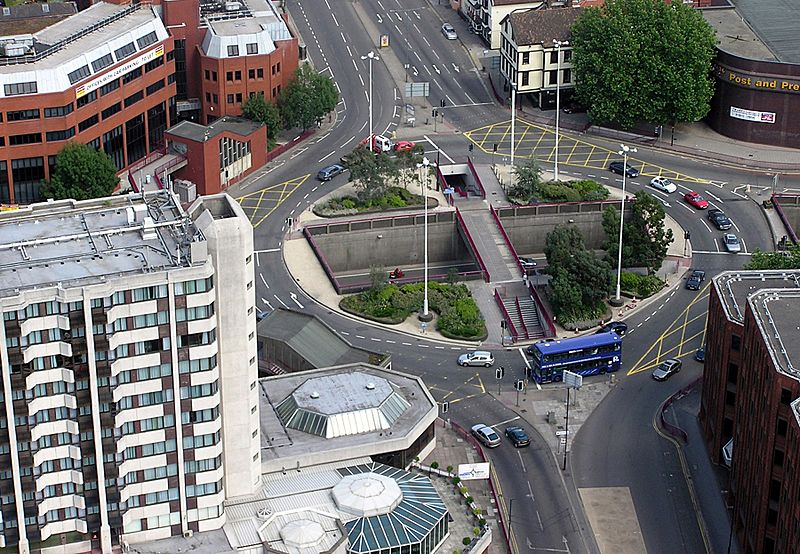
ການອອກແບບວິສະວະກຳ ຂອງ ວົງວຽນ (roundabout) ນີ້ ໃນ ບຣິສໂຕ (Bristol), ສະຫະລາຊະອານາຈັກ ພະຍາຍາມເຮັດໃຫ້ການຈະລາຈອນ ໄຫຼລື່ນ (The Old Market Roundabout in Bristol, England, photographed from a tethered passenger balloon at 500 feet. Note that although the picture caption in the article calls this a Traffic Circle, in Bristol (and the rest of England as far as I know) they are called Roundabouts. Points of interest: It is illegal for vehicles to stop on the yellow hatched areas. All entrances to this roundabout have traffic lights. A road passes beneath the roundabout (with the red motorcycle on it). The centre part has gardens. To help pedestrians cross this roundabout, there is a bridge in the middle, and subways. The image shows not provision here for people who use a bicycle. At bottom left is the tall block of the Marriott Hotel).
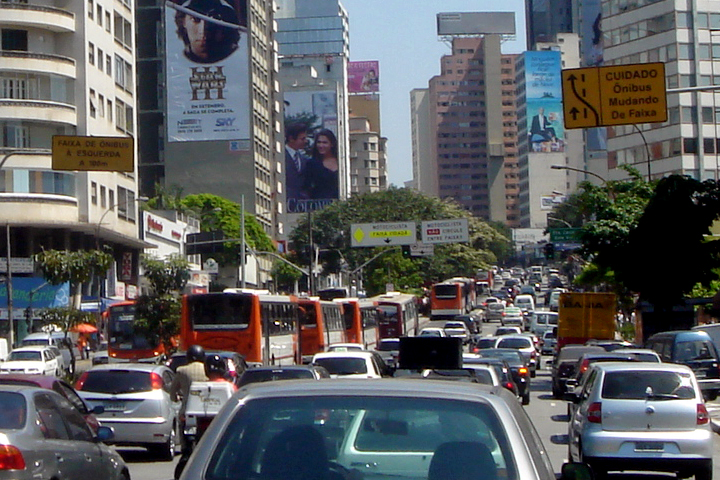
ການຈະລາຈອນຕິດຂັດ (Traffic congestion) ຍັງຄົງມີຢູ່ໃນ ເຊົາປາອູໂລ (São Paulo), ບຣາຊິນ ເຖິງແມ່ນວ່າຈະມີມື້ຫ້າມຂັບລົດ ຕາມເລກປ້າຍທະບຽນ (Traffic congestion, Sao Paulo, Brazil).
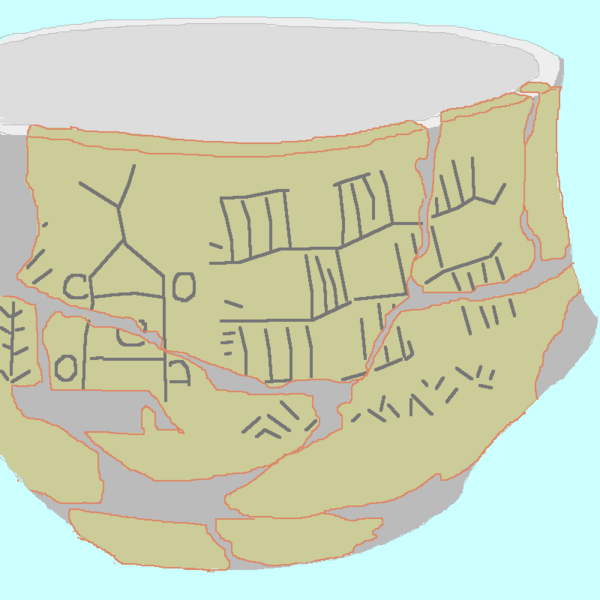
ໝໍ້ບຣໂນຊິເຊ (Bronocice pot) ທີ່ມີຮູບຍານພາຫະນະມີລໍ້ ທີ່ເກົ່າແກ່ທີ່ສຸດເທົ່າທີ່ຮູ້ຈັກໃນໂລກ ພົບໃນ ໂປແລນ ຫຼື Poland (drawing of the Bronocice bowl with its carvings, showing the left one of the two wagons beneath something like a bridge).
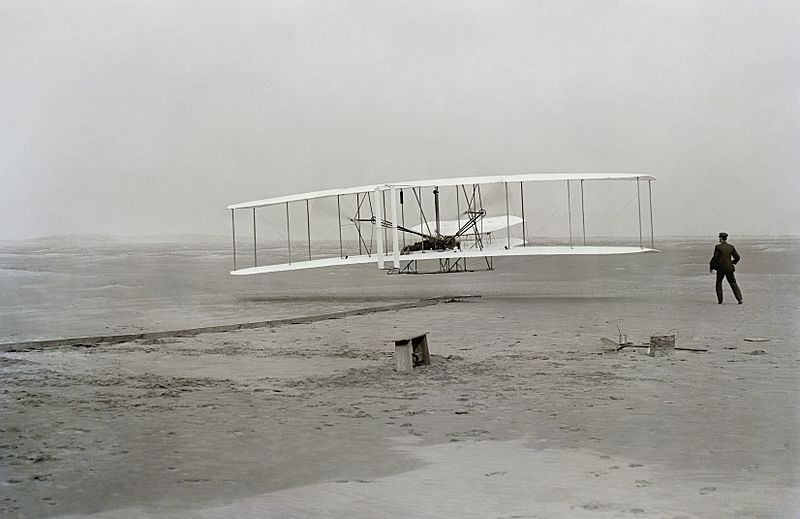
ການບິນຄັ້ງທຳອິດ ຂອງ ອ້າຍນ້ອງຕະກຸນໄຣຕ໌ (Wright brothers‘) ໃນປີ 1903 (First successful flight of the Wright Flyer, by the Wright brothers. The machine traveled 120 ft (36.6 m) in 12 seconds at 10:35 a.m. at Kill Devil Hills, North Carolina. Orville Wright was at the controls of the machine, lying prone on the lower wing with his hips in the cradle which operated the wing-warping mechanism. Wilbur Wright ran alongside to balance the machine, and just released his hold on the forward upright of the right wing in the photo. The starting rail, the wing-rest, a coil box, and other items needed for flight preparation are visible behind the machine. This is described as “the first sustained and controlled heavier-than-air, powered flight” by the Fédération Aéronautique Internationale, but is not listed by the FAI as an official record).
ແຫຼ່ງຂໍ້ມູນ: ຈາກເວັບໄຊ https://www.kiddle.co/