ສະຫຼຸບ
🌱 "ຊີວະວິທະຍາ" (Biology) ແມ່ນຫຍັງ? ມາຮູ້ຈັກກັບວິທະຍາສາດແຫ່ງຊີວິດກັນ! ເຄີຍສົງໄສບໍວ່າ ສິ່ງມີຊີວິດຮອບຕົວເຮົາເຕີບໂຕ, ປັບຕົວ ແລະ ພົວພັນກັນແນວໃດ? ມື້ນີ້ Laopedia ພາທຸກຄົນມາຮູ້ຈັກ ແລະ ສະຫຼຸບເນື້ອໃນສຳຄັນກ່ຽວກັບ "ຊີວະວິທະຍາ" ວິຊາທີ່ສຶກສາເລື່ອງລາວຂອງຊີວິດທັງໝົດໃນໂລກໃບນີ້! 👇 1️⃣ ຊີວະວິທະຍາ ແມ່ນຫຍັງ? ຄວາມໝາຍ: ມັນແມ່ນວິທະຍາສາດທີ່ສຶກສາ ຊີວິດ ແລະ ສິ່ງມີຊີວິດທັງໝົດ ຕັ້ງແຕ່ຈຸລິນຊີນ້ອຍໆ (ເຊັ່ນ: ແບັກທີເຣຍ ແລະ ໄວຣັດ) ຈົນເຖິງພືດ, ສັດ ແລະ ມະນຸດ. ຫົວໃຈສຳຄັນ: ຊີວະວິທະຍາສະໄໝໃໝ່ເຊື່ອມໂຍງກັບ "ວິວັດທະນາການ" ຢ່າງເລິກເຊິ່ງ ເພື່ອອະທິບາຍວ່າຊີວິດປ່ຽນແປງ ແລະ ຫຼາກຫຼາຍຂຶ້ນໄດ້ແນວໃດຕະຫຼອດຫຼາຍລ້ານປີຜ່ານມາ.…
🌱 “ຊີວະວິທະຍາ” (Biology) ແມ່ນຫຍັງ? ມາຮູ້ຈັກກັບວິທະຍາສາດແຫ່ງຊີວິດກັນ!
ເຄີຍສົງໄສບໍວ່າ ສິ່ງມີຊີວິດຮອບຕົວເຮົາເຕີບໂຕ, ປັບຕົວ ແລະ ພົວພັນກັນແນວໃດ? ມື້ນີ້ Laopedia ພາທຸກຄົນມາຮູ້ຈັກ ແລະ ສະຫຼຸບເນື້ອໃນສຳຄັນກ່ຽວກັບ “ຊີວະວິທະຍາ” ວິຊາທີ່ສຶກສາເລື່ອງລາວຂອງຊີວິດທັງໝົດໃນໂລກໃບນີ້! 👇
1️⃣ ຊີວະວິທະຍາ ແມ່ນຫຍັງ?
- ຄວາມໝາຍ: ມັນແມ່ນວິທະຍາສາດທີ່ສຶກສາ ຊີວິດ ແລະ ສິ່ງມີຊີວິດທັງໝົດ ຕັ້ງແຕ່ຈຸລິນຊີນ້ອຍໆ (ເຊັ່ນ: ແບັກທີເຣຍ ແລະ ໄວຣັດ) ຈົນເຖິງພືດ, ສັດ ແລະ ມະນຸດ.
- ຫົວໃຈສຳຄັນ: ຊີວະວິທະຍາສະໄໝໃໝ່ເຊື່ອມໂຍງກັບ “ວິວັດທະນາການ” ຢ່າງເລິກເຊິ່ງ ເພື່ອອະທິບາຍວ່າຊີວິດປ່ຽນແປງ ແລະ ຫຼາກຫຼາຍຂຶ້ນໄດ້ແນວໃດຕະຫຼອດຫຼາຍລ້ານປີຜ່ານມາ.
- ວິທີການ: ໃຊ້ວິທີການທາງວິທະຍາສາດ (Scientific Method) ທີ່ຕ້ອງມີຫຼັກຖານ ແລະ ສາມາດທົດລອງພິສູດໄດ້ຢ່າງໜ້າເຊື່ອຖື.
2️⃣ ນັກຊີວະວິທະຍາ ຕັ້ງຄຳຖາມຫຍັງແດ່?
ພວກເຂົາພະຍາຍາມຫາຄຳຕອບໃນຫຼາຍໆເລື່ອງ ເຊັ່ນ:
- ສ່ວນຕ່າງໆເຮັດວຽກແນວໃດ? (ຮ່າງກາຍວິທະຍາ)
- ລັກສະນະຖືກຖ່າຍທອດຈາກພໍ່ແມ່ສູ່ລູກໄດ້ແນວໃດ? (ພັນທຸກຳ)
- ສິ່ງມີຊີວິດພົວພັນກັບສະພາບແວດລ້ອມແນວໃດ? (ນິເວດວິທະຍາ)
3️⃣ ຂົງເຂດ ແລະ ສາຂາຕ່າງໆຂອງຊີວະວິທະຍາ
ເນື່ອງຈາກຊີວະວິທະຍາເປັນວິຊາທີ່ໃຫຍ່ຫຼາຍ ຈຶ່ງຖືກແບ່ງອອກເປັນຫຼາຍສາຂາຕາມຄວາມສົນໃຈ ເຊັ່ນ:
- ສຶກສາໂຄງສ້າງ: * ກາຍຍະວິພາກສາດ (ໂຄງສ້າງຮ່າງກາຍ)
- ຊີວະວິທະຍາຈຸລັງ (ສຶກສາຈຸລັງ ເຊິ່ງເປັນໜ່ວຍພື້ນຖານຂອງຊີວິດ)
- ຊີວະວິທະຍາໂມເລກຸນ (ສຶກສາໃນລະດັບໂມເລກຸນ ເຊັ່ນ: DNA).
- ສຶກສາສິ່ງມີຊີວິດປະເພດຕ່າງໆ: * ພຶກສາສາດ (ພືດ)
- ສັດວິທະຍາ (ສັດ)
- ຈຸລິນຊີວິທະຍາ (ແບັກທີເຣຍ ແລະ ໄວຣັດ)
- ເຫັດວິທະຍາ (ເຫັດ ແລະ ເຊື້ອຣາ).
- ສຶກສາການເຮັດວຽກ ແລະ ປະຫວັດສາດ: * ຊີວະເຄມີ (ຂະບວນການເຄມີໃນສິ່ງມີຊີວິດ)
- ພັນທຸກຳ (ຢີນ ແລະ ການຖ່າຍທອດພັນທຸກຳ)
- ນິເວດວິທະຍາ (ຄວາມສຳພັນລະຫວ່າງສິ່ງມີຊີວິດກັບສິ່ງແວດລ້ອມ).
ຊີວະວິທະຍາ ແມ່ນ ວິທະຍາສາດ ທີ່ໜ້າຕື່ນເຕັ້ນ ທີ່ສຶກສາ ຊີວິດ ແລະ ສິ່ງມີຊີວິດທັງໝົດ ມັນສຳຫຼວດວ່າ ສິ່ງມີຊີວິດ ເຕີບໂຕ, ມີພຶດຕິກຳ ແລະ ພົວພັນກັນແນວໃດ ມັນຍັງເບິ່ງວ່າ ຊີວິດໄດ້ປ່ຽນແປງ ໄປແນວໃດ ຕະຫຼອດຫຼາຍລ້ານປີ ຜ່ານ ວິວັດທະນາການ.
ສິ່ງມີຊີວິດ ລວມມີ ອົງການ ທີ່ຫຼາກຫຼາຍຫຼາຍ ຕັ້ງແຕ່ ຈຸລິນຊີ ນ້ອຍໆ ຄືກັນກັບ ແບັກທີເຣຍ ແລະ ອາຄີອາ ຈົນເຖິງຮູບແບບໃຫຍ່ກວ່າ ຄືກັນກັບ ພືດ, ສັດ ແລະ ເຫັດ (ຄືກັນກັບ ເຫັດ).
ຄົນທີ່ສຶກສາຊີວະວິທະຍາ ຖືກເອີ້ນວ່າ ນັກຊີວະວິທະຍາ ພວກເຂົາພະຍາຍາມເຂົ້າໃຈ ວ່າສ່ວນຕ່າງໆ ຂອງສິ່ງມີຊີວິດ ເຮັດວຽກແນວໃດ ພວກເຂົາຍັງສືບສວນ ວ່າອົງການ ອາໄສຢູ່ນຳກັນແນວໃດ ແລະ ພວກມັນສົ່ງຜົນຕໍ່ ສິ່ງແວດລ້ອມ ຂອງພວກມັນແນວໃດ ຊີວະວິທະຍາ ເປັນວິທະຍາສາດທາງການ ມາເປັນເວລາປະມານ 200 ປີ ກ່ອນໜ້ານັ້ນ ຄົນສຶກສາ ປະຫວັດສາດທຳມະຊາດ ເຊິ່ງເປັນວິທີ ທີ່ມີການຈັດຕັ້ງ ໜ້ອຍກວ່າ ໃນການຮຽນຮູ້ ກ່ຽວກັບທຳມະຊາດ.
ຄືກັນກັບວິທະຍາສາດທັງໝົດ ຊີວະວິທະຍາ ໃຊ້ ວິທີການທາງວິທະຍາສາດ ນີ້ໝາຍຄວາມວ່າ ນັກຊີວະວິທະຍາ ຕ້ອງສະແດງຫຼັກຖານ ສຳລັບແນວຄິດຂອງພວກເຂົາ ນັກວິທະຍາສາດຄົນອື່ນໆ ຕ້ອງສາມາດທົດລອງ ແນວຄິດເຫຼົ່ານີ້ດ້ວຍຕົນເອງ ນີ້ຊ່ວຍໃຫ້ແນ່ໃຈວ່າ ຂໍ້ມູນນັ້ນ ຖືກຕ້ອງ ແລະ ເຊື່ອຖືໄດ້.
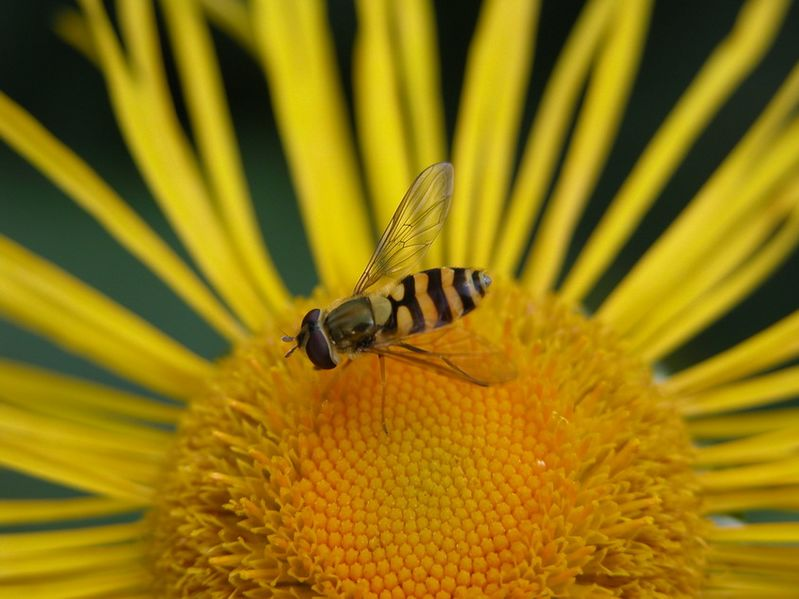
ສັດ: ເຜິ້ງຕອມ ຢູ່ເທິງດອກໄມ້ (Mimicry_by_fly).
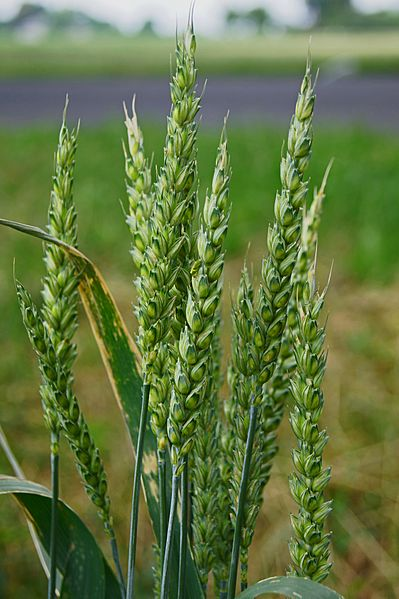
ພືດ: ເຂົ້າສາລີ ກຳລັງຂຶ້ນ ໃນທົ່ງນາ (Triticum in Poland).
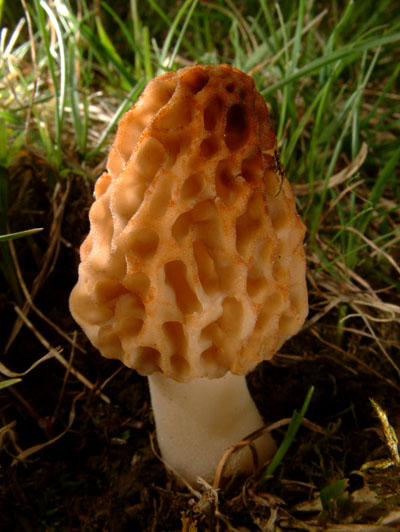
ເຫັດ: ເຫັດໂມແຣວ (Morchella esculent).
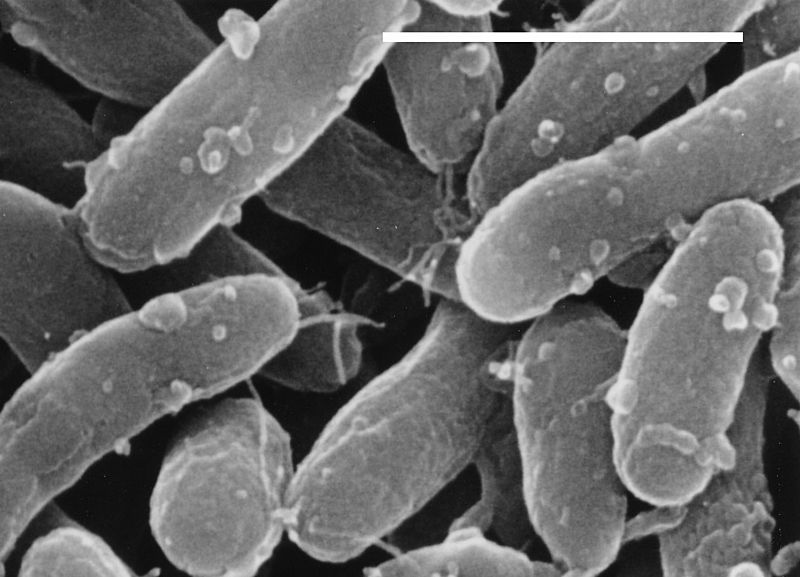
ແບັກທີເຣຍ: ເຊວດຽວນ້ອຍໆ (SEM image of Gemmatimonas aurantiaca. Bar = 1 micrometer).
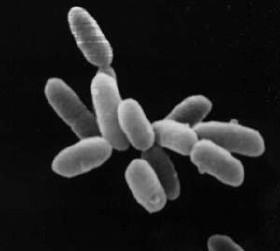
ອາຄີອາ: ຈຸລິນຊີ ທີ່ມັກເກືອ (Cluster of cells of Halobacterium sp. strain NRC-1).
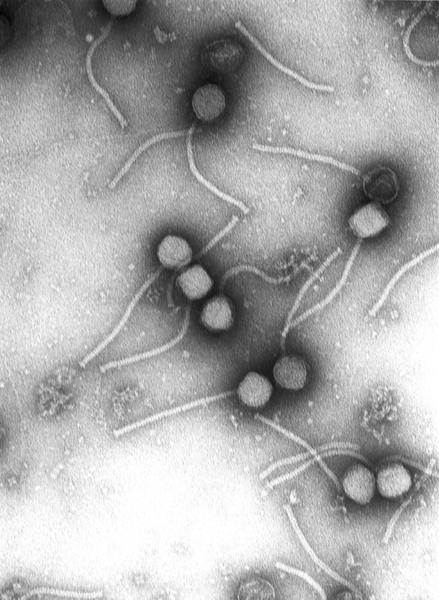
ໄວຣັດ: ແກມມາແບັກທີໂຣຟາຈ ເຊິ່ງໂຈມຕີແບັກທີເຣຍ (Negative stain electron micrograph of the gamma phage from which the PlyG lytic enzyme was cloned for use to control B. anthracis).
ນັກຊີວະວິທະຍາ ສຶກສາຫຍັງ? (What Do Biologists Study?)
ນັກຊີວະວິທະຍາ ຖາມຄຳຖາມສຳຄັນຫຼາຍ ກ່ຽວກັບຊີວິດ ພວກເຂົາຢາກຮູ້:
- “ສິ່ງໃດເຮັດໃຫ້ສິ່ງມີຊີວິດນີ້ ພິເສດ?” ນີ້ຖືກສຶກສາ ຜ່ານ ກາຍຍະວິພາກປຽບທຽບ
- “ສ່ວນຕ່າງໆ ຂອງມັນເຮັດວຽກແນວໃດ?” ນີ້ເອີ້ນວ່າ ຮ່າງກາຍວິທະຍາ
- “ເຮົາສາມາດຈັດກຸ່ມ ສິ່ງມີຊີວິດນຳກັນ ແນວໃດ?” ນີ້ກ່ຽວຂ້ອງກັບ ການຈັດປະເພດ ແລະ ອະນຸກົມວິທານ
- “ສິ່ງມີຊີວິດນີ້ ເຮັດຫຍັງ?” ນີ້ກວມເອົາ ພຶດຕິກຳ ແລະ ການເຕີບໂຕ
- “ລັກສະນະຕ່າງໆ ຖືກຖ່າຍທອດ ຈາກພໍ່ແມ່ແນວໃດ?” ນີ້ຄືສາຂາ ພັນທຸກຳ
- “ປະຫວັດສາດ ຂອງຊີວິດເທິງໂລກ ເປັນແນວໃດ?” ນີ້ຖືກສຶກສາ ໃນ ບັນພະຊີວິນວິທະຍາ
- “ອົງການ ພົວພັນກັບສະພາບແວດລ້ອມ ຂອງພວກມັນແນວໃດ?” ນີ້ຄືຈຸດສຸມຂອງ ນິເວດວິທະຍາ
ຊີວະວິທະຍາສະໄໝໃໝ່ ທັງໝົດ ເຊື່ອມໂຍງຢ່າງເລິກເຊິ່ງ ກັບ ວິວັດທະນາການ ວິວັດທະນາການ ຊ່ວຍໃຫ້ເຮົາເຂົ້າໃຈ ວ່າໂລກແຫ່ງຊີວິດ ກາຍເປັນແບບທີ່ເປັນຢູ່ໃນປັດຈຸບັນແນວໃດ ມັນອະທິບາຍ ຄວາມຫຼາກຫຼາຍອັນໜ້າອັດສະຈັນ ຂອງຊີວິດ ທີ່ເຮົາເຫັນຮອບຕົວ
ຂົງເຂດຕ່າງໆ ຂອງຊີວະວິທະຍາ (Different Areas of Biology)
ຊີວະວິທະຍາ ເປັນວິຊາທີ່ໃຫຍ່ຫຼາຍ ມີຫຼາຍສາຂາແຕກຕ່າງກັນ ແຕ່ລະສາຂາ ໂຟກັດໃນສ່ວນສະເພາະ ຂອງຊີວິດ ຫຼືປະເພດສະເພາະ ຂອງອົງການ ນີ້ຄືຂົງເຂດຫຼັກບາງອັນ:
ການສຶກສາ ໂຄງສ້າງຂອງຊີວິດ (Studying Life’s Structures)
- ກາຍຍະວິພາກສາດ: ການສຶກສາ ໂຄງສ້າງຂອງຮ່າງກາຍ ຄືກັນກັບ ກະດູກ ແລະ ອະໄວຍະວະ
- ຊີວະວິທະຍາຈຸລັງ: ການເບິ່ງຈຸລັງ ໜ່ວຍພື້ນຖານ ຂອງຊີວິດ
- ເນື້ອເຍື່ອວິທະຍາ: ການສຶກສາ ເນື້ອເຍື່ອ ເຊິ່ງເປັນກຸ່ມ ຂອງຈຸລັງທີ່ຄ້າຍຄືກັນ
- ຊີວະວິທະຍາໂມເລກຸນ: ການສຳຫຼວດຊີວິດ ໃນລະດັບນ້ອຍຫຼາຍ ຄືກັນກັບ ໂມເລກຸນ
ການສຳຫຼວດ ໂຄງສ້າງຕ່າງໆ (Exploring Different Organisms)
- ພຶກສາສາດ: ການສຶກສາພືດ
- ສັດວິທະຍາ: ການສຶກສາສັດ
- ຈຸລິນຊີວິທະຍາ: ການສຶກສາ ສິ່ງມີຊີວິດນ້ອຍໆ ຄືກັນກັບແບັກທີເຣຍ ແລະ ໄວຣັດ
- ແບັກທີເຣຍວິທະຍາ: ການສຶກສາສະເພາະ ກ່ຽວກັບແບັກທີເຣຍ
- ໄວຣັດວິທະຍາ: ການສຶກສາໄວຣັດ
- ເຫັດວິທະຍາ: ການສຶກສາເຫັດ ຄືກັນກັບເຫັດ ແລະ ເຊື້ອຣາ
- ແມງໄມ້ວິທະຍາ: ການສຶກສາແມງໄມ້
- ປາວິທະຍາ: ການສຶກສາປາ
- ສັດເລືອຄານວິທະຍາ: ການສຶກສາ ສັດເລືອຄານ ແລະ ສັດຄຶ່ງບົກຄຶ່ງນ້ຳ
- ນົກກະວິທະຍາ: ການສຶກສານົກ
- ສັດລ້ຽງລູກດ້ວຍນົມວິທະຍາ: ການສຶກສາ ສັດລ້ຽງລູກດ້ວຍນົມ
ຊີວິດເຮັດວຽກ ແລະ ປ່ຽນແປງແນວໃດ (How Life Works and Changes)
- ຊີວະເຄມີ: ການສຶກສາ ຂະບວນການທາງເຄມີ ໃນສິ່ງມີຊີວິດ
- ຮ່າງກາຍວິທະຍາ: ສ່ວນຕ່າງໆ ຂອງສິ່ງມີຊີວິດ ເຮັດວຽກແນວໃດ
- ພັນທຸກຳ: ລັກສະນະຕ່າງໆ ຖືກຖ່າຍທອດ ຈາກພໍ່ແມ່ ໄປສູ່ລູກຫຼານແນວໃດ
- ຊີວະວິທະຍາວິວັດທະນາການ: ຊີວິດປ່ຽນແປງ ຕະຫຼອດໄລຍະເວລາອັນຍາວນານ ແນວໃດ
- ຊີວະວິທະຍາການພັດທະນາ: ອົງການເຕີບໂຕ ແລະ ພັດທະນາ ຈາກຈຸລັງດຽວ ແນວໃດ
- ຕົວອ່ອນວິທະຍາ: ການສຶກສາ ຕົວອ່ອນ ແລະ ການພັດທະນາຂອງພວກມັນ
ຊີວິດ ແລະ ສະພາບແວດລ້ອມຂອງມັນ (Life and Its Environment)
- ນິເວດວິທະຍາ: ສິ່ງມີຊີວິດ ພົວພັນກັນ ແລະ ກັບສະພາບແວດລ້ອມ ຂອງພວກມັນແນວໃດ
- ຊີວະພູມສາດ: ຊະນິດພັນຕ່າງໆ ອາໄສຢູ່ໃສ ທົ່ວໂລກ
- ຊີວະວິທະຍາທະເລ: ການສຶກສາ ຊີວິດໃນມະຫາສະໝຸດ
- ນ້ຳຈືດວິທະຍາ: ການສຶກສາ ສະພາບແວດລ້ອມນ້ຳຈືດ ຄືກັນກັບທະເລສາບ ແລະ ແມ່ນ້ຳ
ຂົງເຂດສຳຄັນອື່ນໆ (Other Important Fields)
- ພຶດຕິກຳສາດ: ການສຶກສາ ພຶດຕິກຳສັດ
- ບັນພະຊີວິນວິທະຍາ: ການສຶກສາ ຊີວິດບູຮານ ຜ່ານຟອດຊິນ
- ອະນຸກົມວິທານ: ວິທະຍາສາດ ຂອງການຕັ້ງຊື່ ແລະ ຈັດປະເພດ ອົງການ
- ປະລໍຊິດວິທະຍາ: ການສຶກສາ ປະລໍຊິດ
- ຊີວະວິທະຍາມະນຸດ: ການສຶກສາ ມະນຸດ
- ມະນຸດວິທະຍາ: ການສຶກສາ ສັງຄົມມະນຸດ ແລະ ວັດທະນະທຳ
- ລິງວິທະຍາ: ການສຶກສາ ລິງ
ຮູບພາບອື່ນໆທີ່ກ່ຽວຂ້ອງ
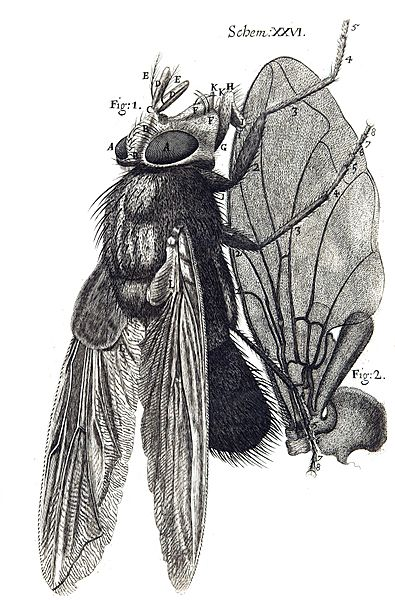
ຮູບແຕ້ມ ແມງວັນ ຈາກປຶ້ມ ໄມໂຄຣກຣາເຟຍ ຂອງໂຣເບີດ ຮຸກ (1665) ສະແດງໃຫ້ເຫັນ ການສັງເກດ ລາຍລະອຽດຍຸກຕົ້ນ (Schem. XXIV – Of the Structure and motion of the Wings of Flies. An illustration of a Blue Fly thought to have been drawn by Sir Christopher Wren).
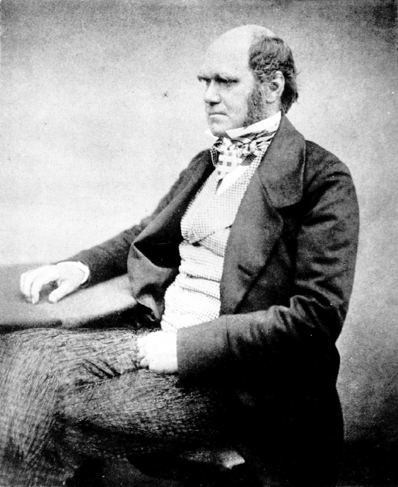
ຊາລສ໌ ດາວິນ ຜູ້ພັດທະນາ ທິດສະດີວິວັດທະນາການ ໂດຍການຄັດເລືອກທຳມະຊາດ (Charles Darwin aged 51).
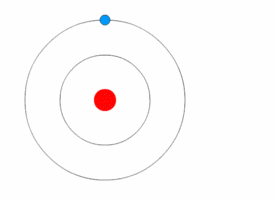
ຕົວແບບໂບຣ ສະແດງໃຫ້ເຫັນ ເອເລັກຕຣອນ ໂຄຈອນອ້ອມ ຈຸດສູນກາງ ຂອງອະຕອມ (A simple illustration of Bohr’s model of the atom, with an electron making quantum leaps).
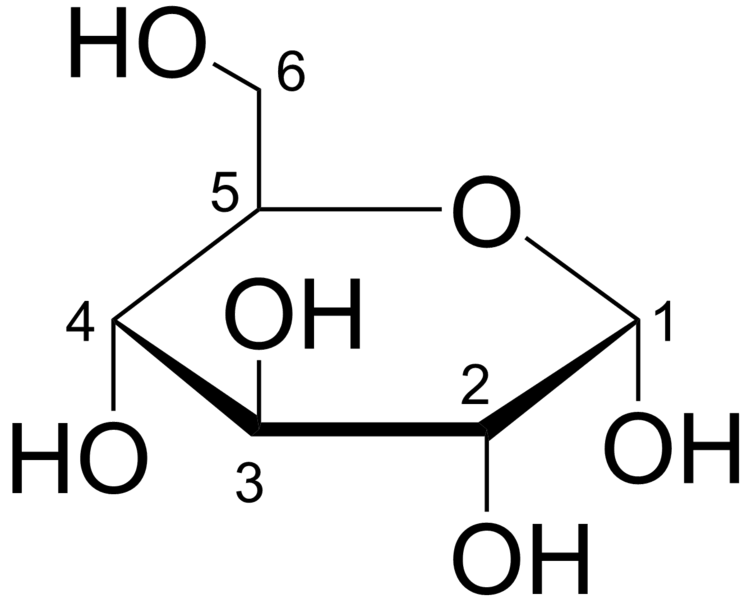
ນ້ຳຕານ ກູລູໂຄສ ເປັນຊະນິດໜຶ່ງ ຂອງນ້ຳຕານ ເປັນສານປະສົມອິນຊີ ທີ່ສຳຄັນ ສຳລັບສິ່ງມີຊີວິດ (Glucose Haworth).
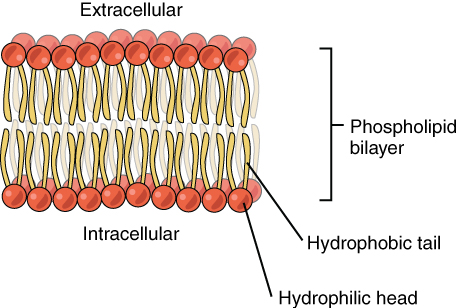
ຊັ້ນຄູ່ ຟອສໂຟລິພິດ ສ້າງເປັນຊັ້ນນອກ ຂອງຈຸລັງ ຄວບຄຸມສິ່ງທີ່ເຂົ້າ ແລະ ອອກ (Caption: The phospholipid bilayer consists of two adjacent sheets of phospholipids, arranged tail to tail).
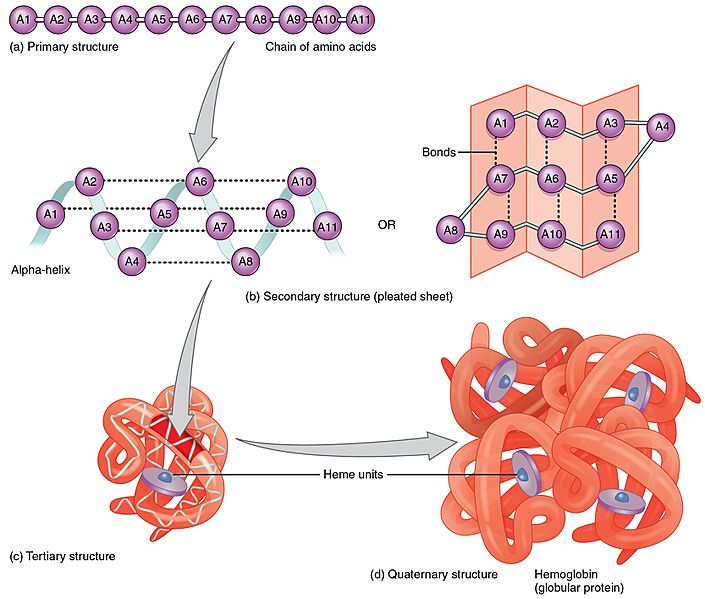
ໂປຣຕີນ ມີໂຄງສ້າງທີ່ຊັບຊ້ອນ ສະແດງໄວ້ນີ້ ຈາກແບບງ່າຍ (a) ຫາແບບຊັບຊ້ອນຫຼາຍ (d): (a) The primary structure is the sequence of amino acids that make up the polypeptide chain. (b) The secondary structure, which can take the form of an alpha-helix or a beta-pleated sheet, is maintained by hydrogen bonds between amino acids in different regions of the original polypeptide strand. (c) The tertiary structure occurs as a result of further folding and bonding of the secondary structure. (d) The quaternary structure occurs as a result of interactions between two or more tertiary subunits. The example shown here is hemoglobin, a protein in red blood cells which transports oxygen to body tissues.
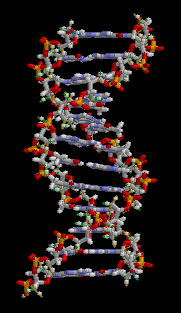
ດີເອັນເອ ພິມພ່າວຂອງຊີວິດ ມີສາຍຄູ່ ທີ່ພັນກັນ ພ້ອມທັງເບດຢູ່ລະຫວ່າງກາງ (Animation of a rotating DNA structure. Created in the free program RasMol 2.7.2.1.1 using the 1BNA.pdb dataset and the following commands: GUI options were: Options->Specular, Display->Sticks Then, in the command line: write frame-000.gif set write true script script.txt where script.txt was a separate text file in the same directory, consisting of the same two repeating lines: rotate x 03 write frame-001.gif rotate x 03 write frame-002.gif rotate x 03 write frame-003.gif … from 001 up to 119 (for a total of 120 images when combined with frame-000.gif). This was then loaded in Adobe ImageReady, and saved as an animated GIF).
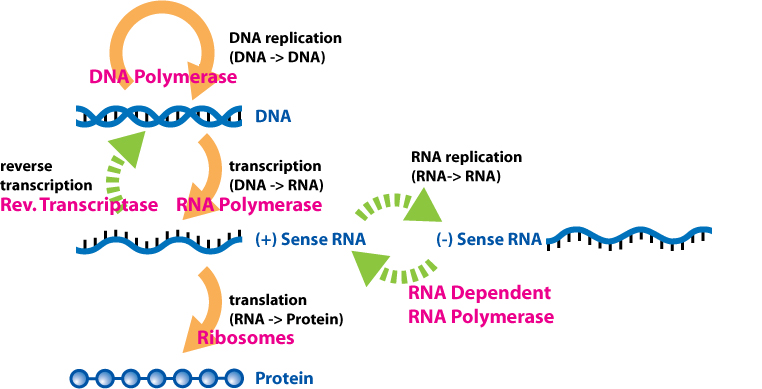
ຄຳສອນສູນກາງ ອະທິບາຍ ວ່າຂໍ້ມູນທາງພັນທຸກຳ ໄຫຼໃນຈຸລັງແນວໃດ (An overview of the central dogma of molecular biochemistry with all unusual flows of information included (in green)).
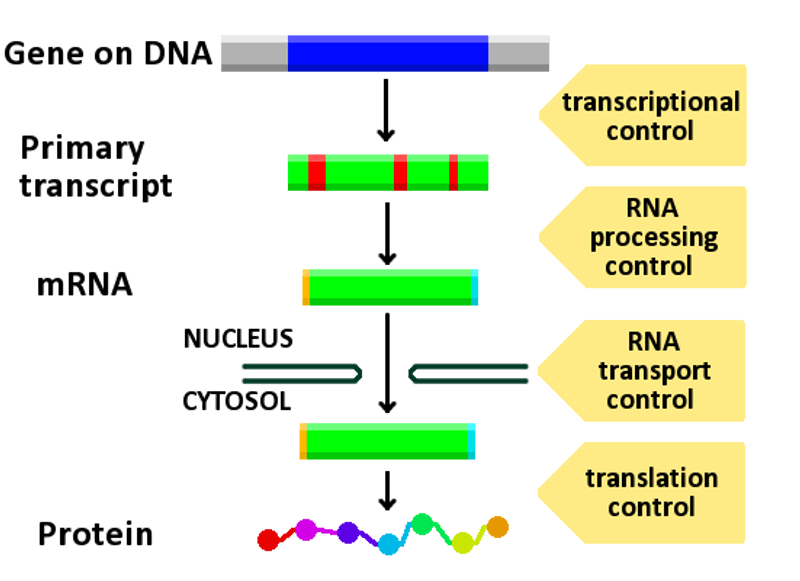
ຈຸລັງ ຄວບຄຸມ ວ່າຍີນໃດ ເຄື່ອນໄຫວ ໃນເວລາຕ່າງໆ (A diagram showing at which stages in the DNA-mRNA-protein pathway expression can be controlled).
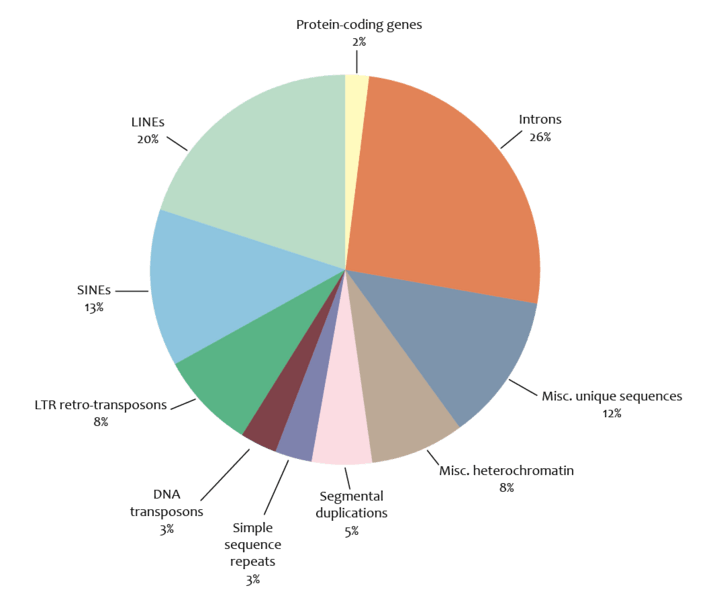
ຕາຕະລາງນີ້ ສະແດງໃຫ້ເຫັນ ສ່ວນຕ່າງໆ ທີ່ປະກອບເປັນ ຈີໂນມມະນຸດ (Diagram of components of the genome as estimated in 2014).
ຕົວແບບ ສະແດງໃຫ້ເຫັນ ວ່າຄວາມເຂັ້ມຂຸ້ນ ສະສົມຂຶ້ນ ຂ້າມຂອບເຂດຈຸລັງແນວໃດ (Animated gif showing the setting up of a gradient which can then be used by cells to gather information about their position early on in morphogenesis).
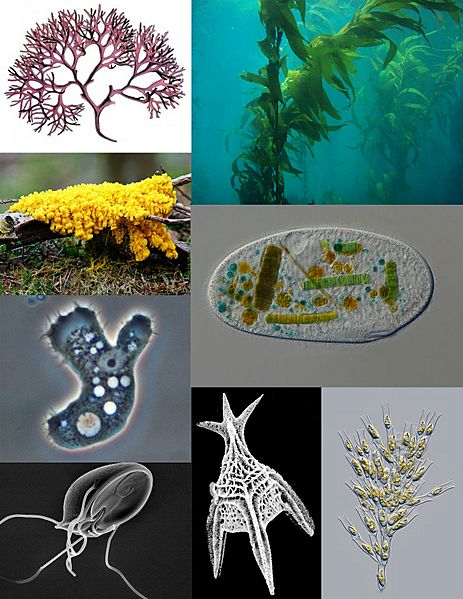
ຄໍລາຈ ສະແດງໃຫ້ເຫັນ ຄວາມຫຼາກຫຼາຍອັນໜ້າອັດສະຈັນ ຂອງໂປຣທິສ ເຊິ່ງເປັນໂຄງສ້າງທີ່ງ່າຍ (A sampling of protists, composed of images from Wikimedia Commons. Clockwise from top left: red algae (Chondrus crispus); brown algae (Giant Kelp); ciliate (Frontonia); golden algae (Dinobryon); Foraminifera (Radiolaria); parasitic flagellate (Giardia muris); pathogenic amoeba (Acanthamoeba); amoebozoan slime mold (Fuligo septica)).
Author: Respectively: Claire Fackler, CINMS, NOAA, User:Wiedehopf20, Frank Fox, Patrick De Wever, CDC/ Dr. Stan Erlandsen, Jacob Lorenzo-Morales, Naveed A. Khan and Julia Walochnik, Koeh-034.jpg: Franz Eugen Köhler, Köhler’s Medizinal-Pflanzen, Urmas Tartes
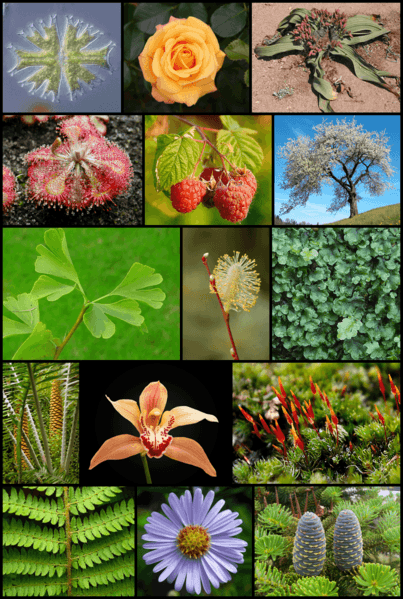
ພືດ ມີຫຼາຍຮູບແບບ ແລະ ຂະໜາດແຕກຕ່າງກັນ (Composite image to illustrate the diversity of plants. See below for image and species list).
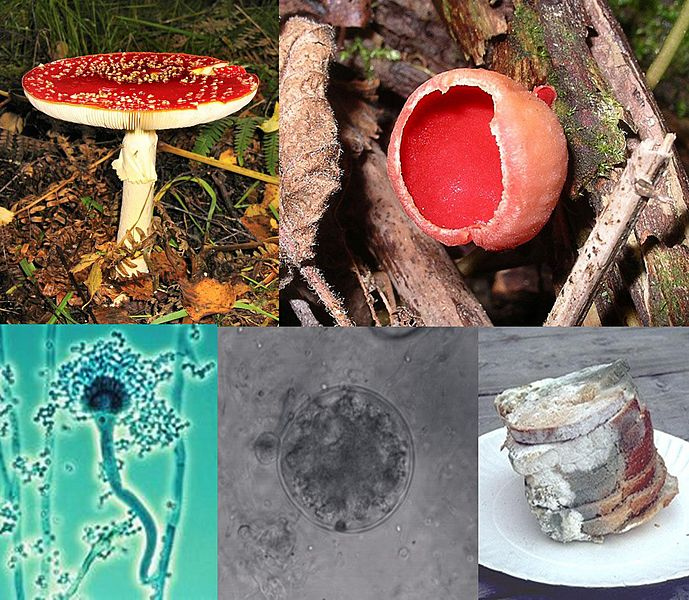
ການເກັບກຳ ເຫັດຊະນິດຕ່າງໆ ຕັ້ງແຕ່ເຫັດ ຈົນເຖິງເຊື້ອຣາ (A series of fungi. Individual descriptions can be found on the source pages listed below).
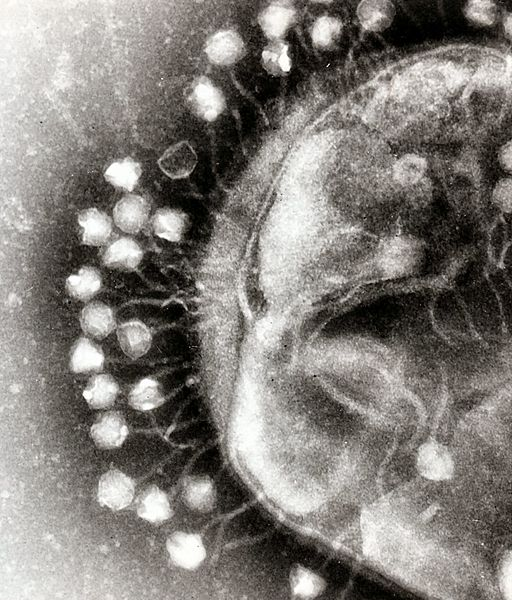
ແບັກທີໂຣຟາຈ ແມ່ນໄວຣັດ ທີ່ຕິດເຊື້ອ ແລະ ແຜ່ພັນ ພາຍໃນແບັກທີເຣຍ (Transmission electron micrograph of multiple bacteriophages attached to a bacterial cell wall; the magnification is approximately 200,000).
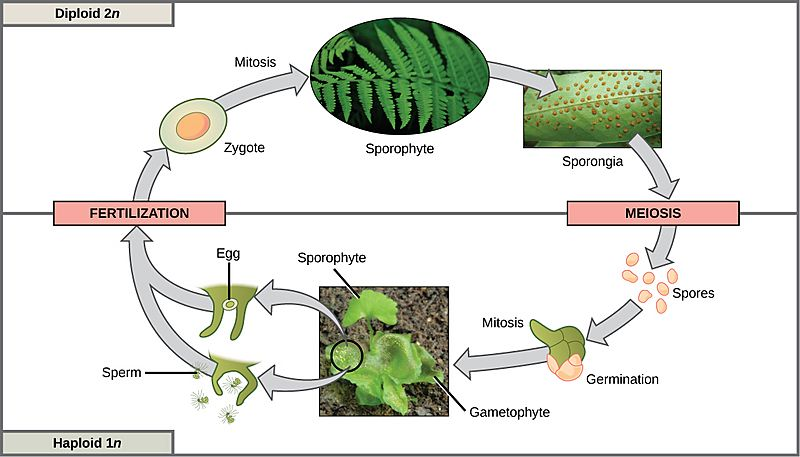
ພືດ ແຜ່ພັນ ແລະ ພັດທະນາ ຜ່ານຂັ້ນຕອນຕ່າງໆ ແນວໃດ (Name: Biology ID: 185cbf87-c72e-48f5-b51e-f14f21b5eabd@9.17 Language: English Summary: Biology is designed for multi-semester biology courses for science majors. It is grounded on an evolutionary basis and includes exciting features that highlight careers in the biological sciences and everyday applications of the concepts at hand. To meet the needs of today’s instructors and students, some content has been strategically condensed while maintaining the overall scope and coverage of traditional texts for this course. Instructors can customize the book, adapting it to the approach that works best in their classroom. Biology also includes an innovative art program that incorporates critical thinking and clicker questions to help students understand—and apply—key concepts. Subjects: Science and Technology Keywords: cells,DNA,gene,expressio,nphylogeny,conservation,biodiversity,biology,chemistry,evolution,proteins,bacteria,fungi,cell,membranes,inheritance,physiology,ecology,genetics,biotechnology,biosphere,photosynthesis,biological,molecules,cell structure,metabolismc,ellular respiration,genes,cell communication,cell reproduction,meiosis,sexual reproduction,genomics,study of life,cell function,animal diversity,animal reproduction,plant nutrition,soilseedless plantsplant physiologyplant reproductionanimal bodycirculatory systemdigestive systemendocrine systemnervous systemrespiratory systemorigin of speciesecosystemsarchaeasensory systemosmotic regulationimmune systemvertebratesviruspopulation ecologymusculoskeletal systembehavioral biologyanimal biologyanimal physiologybiology for majorscollege biologyeukaryotesinvertebratesmacromoleculesplant biologypopulation evolutionprokaryotesprotistsseed plants Print Style: CCAP Biology License: Creative Commons Attribution License (by 4.0) Authors: OpenStax Copyright Holders: Rice University Publishers: OpenStax OpenStax Biology Latest Version: 10.53 First Publication Date: Aug 22, 2012 Latest Revision: May 27, 2016 Last Edited By: OpenStax Biology)
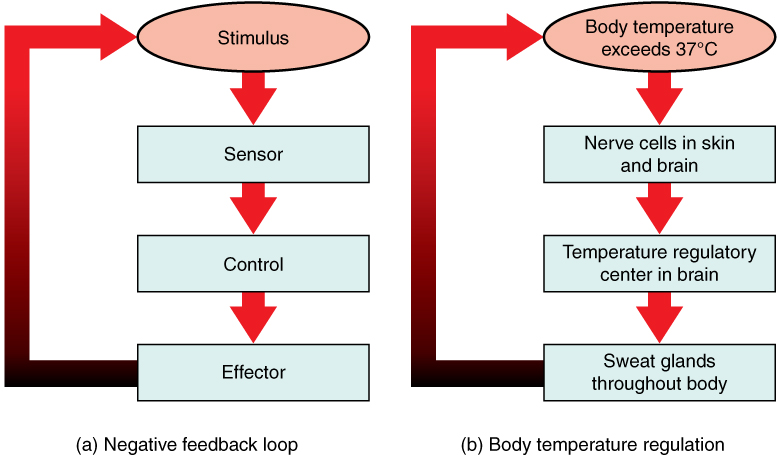
ຟີດແບັກລົບ ຊ່ວຍໃຫ້ສິ່ງມີຊີວິດ ຮັກສາສະພາບພາຍໃນ ໃຫ້ໝັ້ນຄົງ ຄືກັນກັບ ອຸນຫະພູມຮ່າງກາຍ (Version 8.25 from the Textbook OpenStax Anatomy and Physiology Published May 18, 2016).
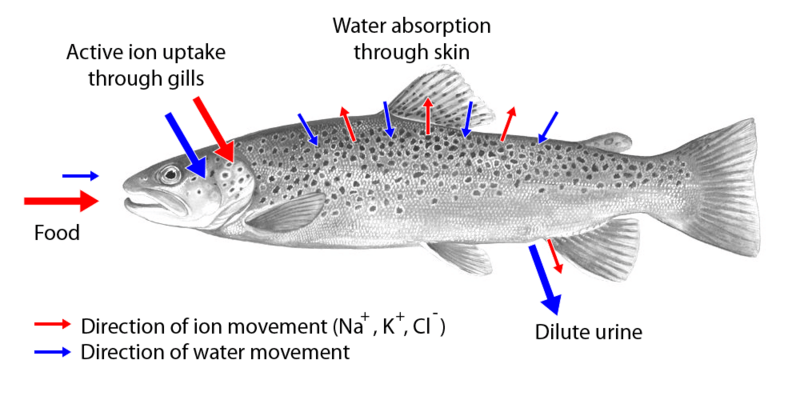
ປາທະເລສາບ ຄວບຄຸມ ການເຄື່ອນທີ່ ຂອງນ້ຳ ແລະ ເກືອ ໃນຮ່າງກາຍຂອງມັນແນວໃດ (A diagram showing the movement of water and ions in freshwater fish).
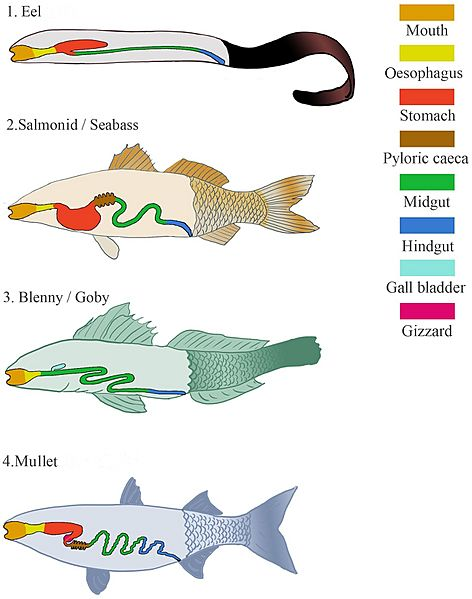
ວິທີຕ່າງໆ ທີ່ປາທະເລ ຍ່ອຍອາຫານ ຂອງພວກມັນ (Diagrammatic representation of the different types of digestive systems that can be found in marine fish, including digestive organs that may or may not be present).
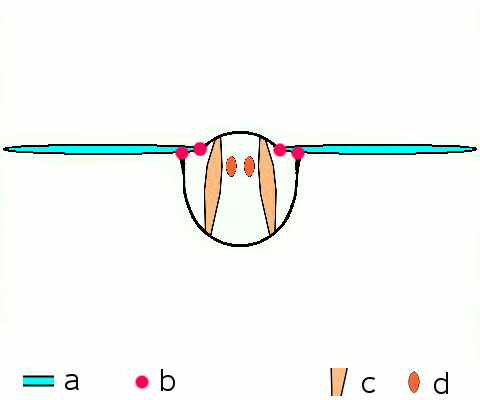
ແມງໄມ້ ໃຊ້ກ້າມເນື້ອ ຂອງພວກມັນ ໃຫ້ພະລັງ ໃນການບິນແນວໃດ (Basic motion of the insect wing in insect with an indirect flight mechanism).
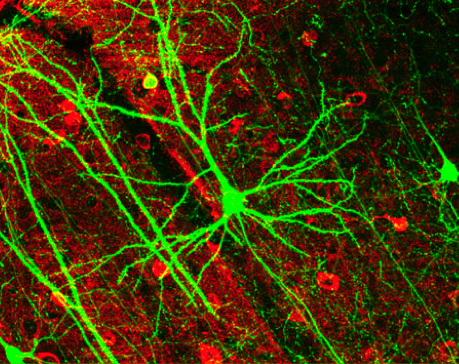
ຈຸລັງສະໝອງໜູ ເອີ້ນວ່າ ນິວຣອນ ສະແດງເປັນສີຂຽວ ແລະ ສີແດງ (GFP expressing pyramydal cell in mouse cortex. Dynamic Remodeling of Dendritic Arbors in GABAergic Interneurons of Adult Visual Cortex Wei-Chung Allen Lee, Hayden Huang, Guoping Feng, Joshua R. Sanes, Emery N. Brown, Peter T. So, Elly Nedivi PLoS Biology Vol. 4, No. 2, e29 DOI: 10.1371/journal.pbio.0040029 http://biology.plosjournals.org/perlserv/?request=get-document&doi=10.1371/journal.pbio.0040029)
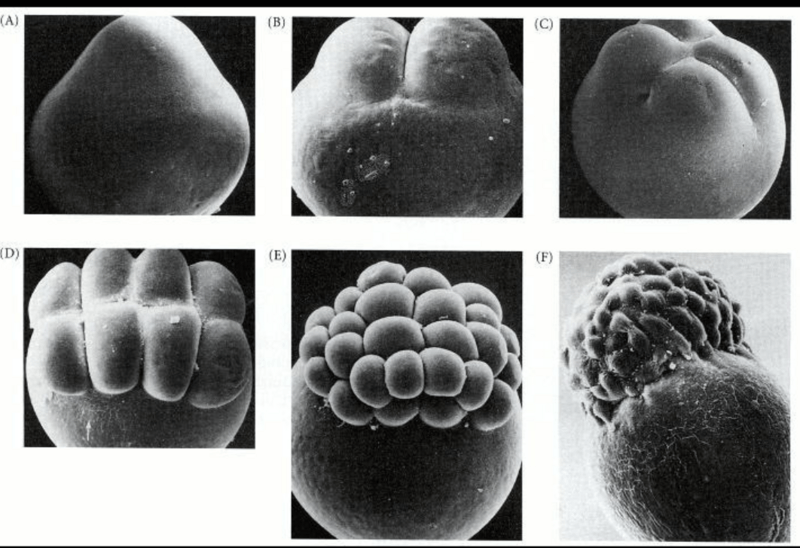
ການແບ່ງຈຸລັງຕົ້ນ (ຄລີເວດ) ໃນຕົວອ່ອນ ປາເຊບຣາ (Cleavage in Zebrafish).
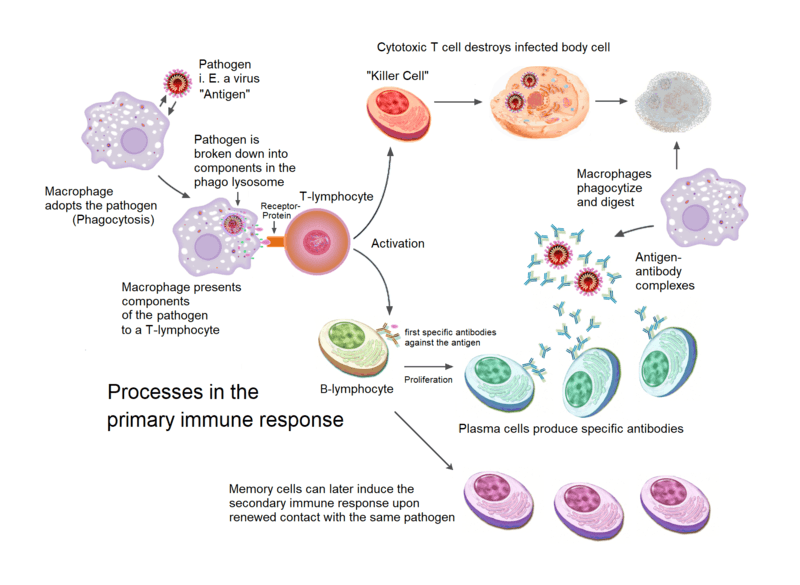
ຂັ້ນຕອນຕ່າງໆ ທີ່ກ່ຽວຂ້ອງ ໃນການຕອບສະໜອງທຳອິດ ຂອງຮ່າງກາຍ ຕໍ່ການຕິດເຊື້ອ (Simplified overview of the processes involved in the primary immune response).
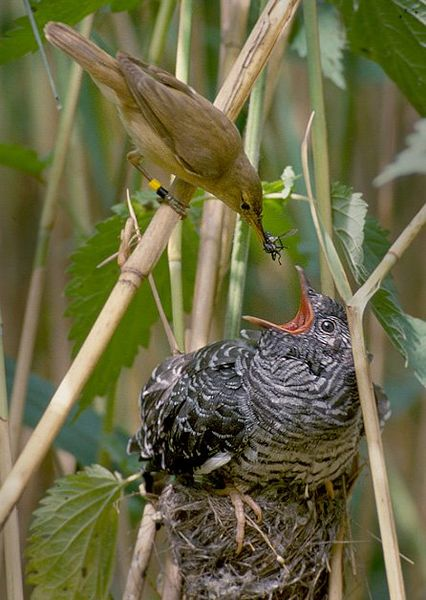
ລູກນົກກາງແກ ນົກປະລໍຊິດ ທີ່ວາງໄຂ່ໃນຮັງນົກອື່ນ ກຳລັງຖືກລ້ຽງ ໂດຍນົກກົກກົກນ້ອຍ ທີ່ນ້ອຍກວ່າຫຼາຍ (Reed Warbler feeding a Common Cuckoo chick in a nest. Brood parasitism).
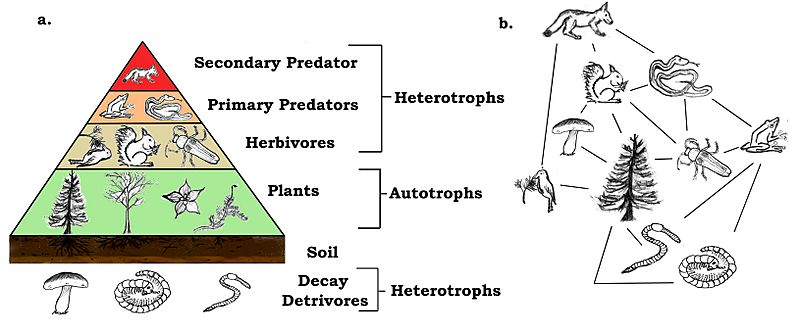
ພິຣາມິດຕໍາແໜ່ງອາຫານ ແລະ ຕາໜ່າງອາຫານແບບງ່າຍ ສະແດງໃຫ້ເຫັນ ວ່າພະລັງງານ ເຄື່ອນທີ່ຜ່ານລະບົບນິເວດແນວໃດ (A trophic pyramid (a) and ecological food-web (b)).
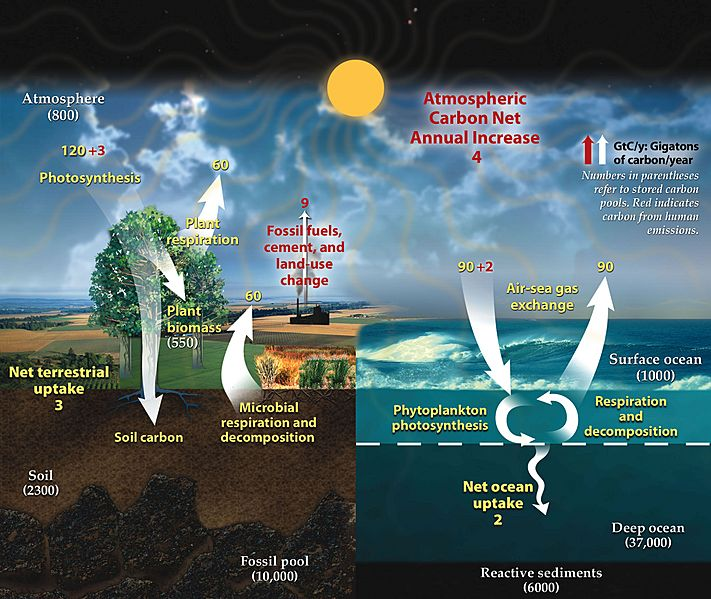
ວົງຈອນຄາບອນໄວ ສະແດງໃຫ້ເຫັນ ວ່າຄາບອນເຄື່ອນທີ່ ລະຫວ່າງພື້ນດິນ, ອາກາດ ແລະ ມະຫາສະໝຸດແນວໃດ (Carbon Cycle).
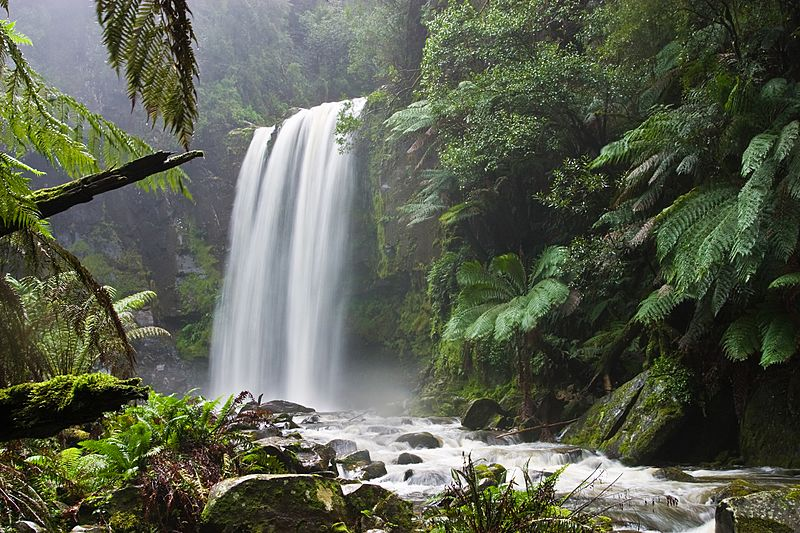
ຄວາມພະຍາຍາມ ຖືກເຮັດຂຶ້ນ ເພື່ອປົກປ້ອງສະຖານທີ່ທຳມະຊາດ ຄືກັນກັບ ນ້ຳຕົກໂຮບເທົາອິນ ໃນອົດສະຕຣາລີ (Hopetoun Falls, Beech Forest, near Otway National Park, Victoria, Australia. Taken with a Canon 10D and 17-40 f/4L lens).
ແຫຼ່ງຂໍ້ມູນ: ຈາກເວັບໄຊ https://www.kiddle.co/